Pipe Filters Compared: 6mm, 9mm and Unfiltered Systems
A practical look at how 6mm, 9mm and unfiltered pipes differ in draw, moisture and flavor — and how to...

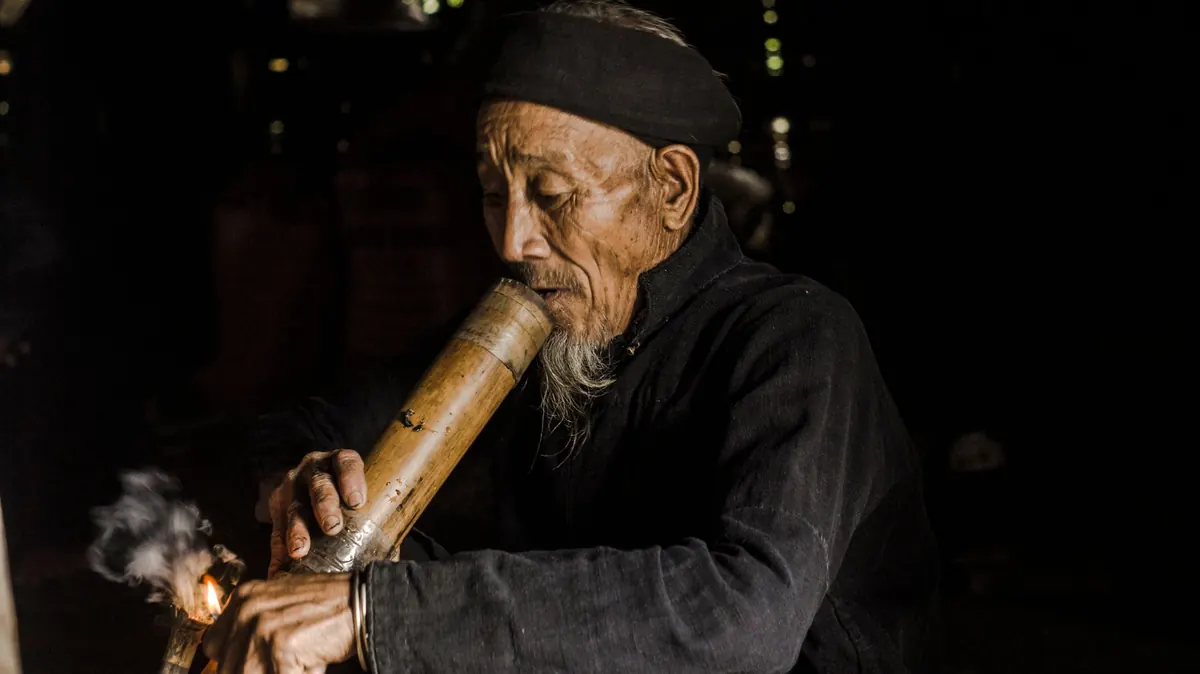
The best pipe I ever smoked in February happened on a back step in about twenty minutes of fading daylight, with a wind cap fitted, a small apple bowl, and a mug of coffee going cold beside me. It wasn't comfortable in the way an armchair is comfortable. It was still worth doing.
Smoking outdoors when the temperature drops takes some planning. Cold air changes how tobacco burns, how moisture behaves inside the pipe, and how long your fingers last before they start complaining. Adjust four things — bowl size, moisture, shelter, and care — and the whole experience becomes something you look forward to rather than endure.
Two things happen at once. Cold air is denser than warm air, so each draw pulls a little harder and cools the smoke faster as it travels up the stem. Cool smoke releases its moisture early. Instead of passing out of the bit as vapour, that moisture collects in the shank and around the bottom of the bowl. This is why the gurgle that never bothered you in July shows up ten minutes into a January smoke.
The second change is you. Cold hands and a numb face make you tamp harder than you mean to, draw faster than you should, and notice less when the bowl starts running hot. The pipe hasn't gotten worse in winter. Your feedback loop has.
A wide, deep chamber is a fine thing on a still evening in September. In February it gives you a long, slow column of tobacco that soaks up condensation, keeps you outside longer than you want to be, and leaves half a bowl of soggy dottle when your fingers finally quit.
Reach for a group 2 or group 3 bowl instead — an apple, a prince, a small pot. You get a fifteen- to twenty-five-minute smoke, less moisture to manage, and a bowl you can wrap your hand around for warmth. Thicker walls help here too: they hold heat in the chamber, which keeps the burn steadier, and they hold warmth in your palm, which keeps you steadier.
Pack it slightly looser than usual. Tobacco swells as it takes on moisture, and a tight pack plus cold-weather condensation is how a pipe ends up plugged at the halfway point.
Dry tobacco smokes cooler, lights more easily, and produces less moisture of its own. In winter, that margin matters. Take out one bowl's worth twenty or thirty minutes before you head outside and let it sit. If you're smoking a flake, rub it out first and give it a bit longer.
Then keep it warm. A leather pouch or a small tin carried in an inside coat pocket stays close to body temperature, which means the tobacco goes into the bowl dry and pliable rather than cold and clammy. Don't leave a tin open on the porch rail while you smoke; cold, damp air undoes the drying you just did.
A caution against overcorrecting: you want tobacco that's dry to the touch and springs back when pinched, not dust that burns like straw and bites your tongue. If it crumbles, you've gone too far.
Wind causes more ruined winter smokes than temperature does. It pulls air through the bowl and drives the burn hot, it scatters ash, and it makes a light touch almost impossible to maintain. Deal with position before you deal with gadgets.
Find the leeward side of a building, a recessed doorway, the corner of a garage, a thick hedge. Stand with your back to the wind and turn as it shifts. A porch post or a parked car can be a windbreak if you're willing to stand in the right spot.
A hinged wind cap helps a great deal when there's no shelter to be had, but it isn't free. It restricts the draw, so you'll tamp more often and relight more often. Cupping your hand over the rim covers you in light breezes and costs nothing. Whichever you use, resist the urge to fight wind with a hard pull — that's how you scorch your tongue and crack a bowl.
Slow, gentle sips. Let the pipe sit between draws long enough that you're breathing normally through your nose in the meantime. In cold air the temptation is to puff steadily to keep the ember alive, but a steady puff is exactly what makes a bowl hot, wet and bitter.
When gurgle starts, reach for a pipe cleaner. Many pipes will take one straight through the mouthpiece into the shank without any disassembly, and one pass usually buys you another ten minutes. Don't pull a hot stem off the pipe to deal with moisture; repeated hot removals wear the tenon fit over time. If your pipe won't pass a cleaner, a single firm flick of the wrist with the mouthpiece pointed down and away from you will clear most of it.
Relights are normal in the cold. Tap out the loose ash, tamp lightly and evenly, then relight gently. Butane lighters can be sluggish in low temperatures, so keep yours in an inside pocket, and carry matches as a backup.
Briar dislikes sudden temperature swings. When you come in from a cold porch, set the pipe down at room temperature and leave it alone for ten minutes or so before you touch it. Cleaning a frozen pipe, or knocking one out against a railing while it's still cold, is how rims get chipped and shanks crack.
Let it cool, then empty the bowl with a pipe tool rather than a hard knock. Run a cleaner through the stem and shank, fold it, and wipe the mortise. Wipe the rim and the outside of the bowl with a soft cloth while the pipe is still slightly warm, and give it a light waxing now and then. Then rest it for a day or two.
A few other cold-weather habits worth keeping: don't leave pipes in a car overnight, since repeated freezing and thawing plus dry air is unkind to briar and stems alike; and go easy with your teeth, because a cold stem is less forgiving of a hard clench than a warm one.
One note on the person holding the pipe: if you have a heart or lung condition, cold air and smoke are a rough combination. It's worth asking your doctor how winter conditions affect you before you make a daily habit of smoking outdoors in the cold.
What you do in the first few minutes back indoors decides how the pipe smokes next time. It's a short routine, and it saves a lot of grief.
That's the whole business: a smaller bowl, drier tobacco, a wall between you and the wind, and a few minutes of care when you get back inside. Do those four things and a winter smoke stops being an act of stubbornness. It becomes one of the better parts of the day.
A practical look at how 6mm, 9mm and unfiltered pipes differ in draw, moisture and flavor — and how to...
Pipe clubs are where pipe smokers trade blends, advice, and quiet company. Here's how to find one nearby,...
Aromatic, English, casing, topping, flake: a plain guide to what pipe tobacco labels actually describe,...